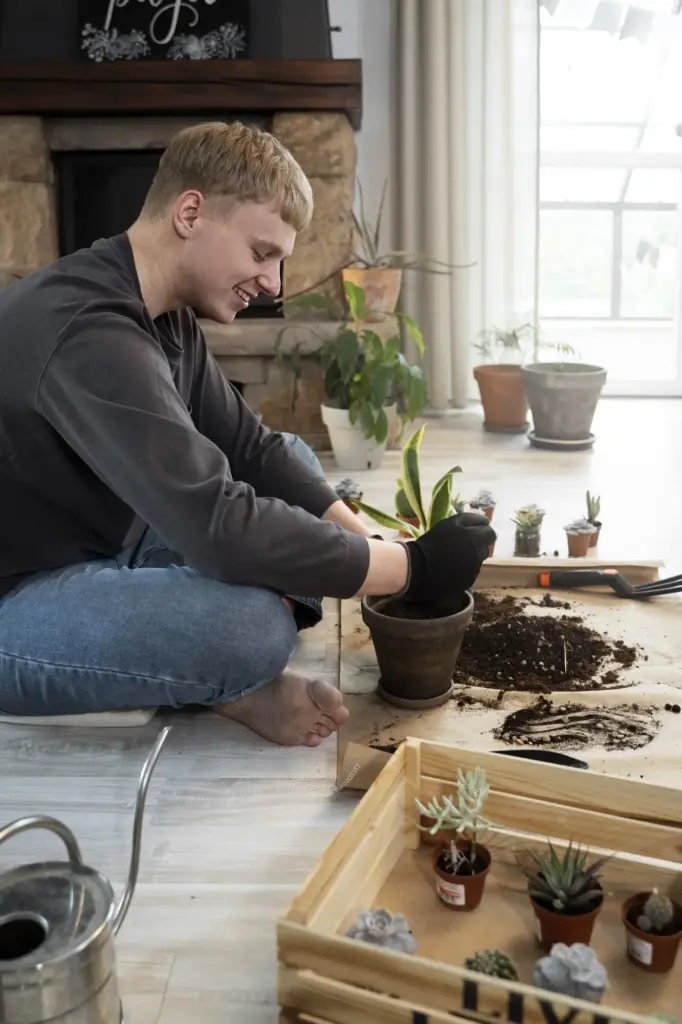
Fearless Fridays: Turning First Attempts into Lasting Confidence

Welcome to Fearless Fridays: Building Confidence Through Weekly First Attempts, a joyful invitation to try something completely new every week, celebrate imperfect progress, and watch courage compound. Each Friday becomes a friendly laboratory for curiosity, where tiny leaps reshape comfort zones, spark momentum, and reveal strengths you never suspected. No flawless plans, only brave beginnings, reflective notes, and community cheer. Start where you are, bring what you have, and let consistent first tries become your most reliable engine for growth and self-belief.

Start Small, Start Now

Confidence grows fastest when action arrives before overthinking. By picking a small, time-boxed first attempt every Friday, you train your mind to greet uncertainty with playfulness instead of dread. Novelty nudges attention, deliberate practice builds self-efficacy, and quick reflections turn mishaps into practical wisdom. This rhythm shrinks fear’s imaginary monsters into solvable steps, proving momentum beats motivation. Begin with accessible experiments, honor effort over outcomes, and let each honest try whisper, convincingly, that you can handle more than you once believed.

Reframe Failure as Feedback

Treat every stumble like a data point. Ask what worked, what confused you, and what you will change next time. Record concrete observations, not self-judgments, so improvement becomes obvious. This lens transforms anxiety into curiosity, rewarding progress over perfection and making repetition feel purposeful. With practice, nervousness fades, because your mind expects learning, not humiliation, and Friday experiments become lighter, kinder, and surprisingly fun.

Balance Challenge and Skill

Choose attempts that stretch your abilities without overwhelming you. A clear, gentle edge—just beyond comfortable—invites engagement and reduces avoidance. Map current skills, define one measurable push, and bracket time to maintain focus. When challenge meets readiness, attention sharpens, small wins stack quickly, and confidence follows naturally. Calibrate weekly, so your experiments stay alive, enticing, and achievable rather than intimidating hurdles demanding impossible performances.

Design Your Weekly Experiment

A good first attempt is simple, specific, and measurable within a short window. Define what counts as done, constrain the scope, and include a tiny reflection. By lowering stakes and clarifying boundaries, you reduce procrastination and invite playful momentum. Whether writing one stanza, recording a rough demo, or initiating a kind introduction, the plan focuses attention on learning. Each Friday becomes a compact, respectful appointment with your future, honoring progress while keeping life gloriously human.

The One-Hour Blueprint

Limit the entire attempt to sixty minutes, split into planning, doing, and reflecting. Use a visible timer, a single workspace, and one clear deliverable. Constraints free creativity by removing ambiguity and endless tinkering. When the hour ends, stop proudly, capture insights, and schedule a small follow-up. This humane boundary encourages return visits, prevents burnout, and proves that big courage can live inside surprisingly small containers.

Write a Two-Sentence Brief

Before you begin, write exactly two sentences: what you will attempt, and what success looks like today. This trims vagueness, calms spiraling thoughts, and creates instant alignment with reality. Keep verbs active and outcomes observable. If your energy dips mid-try, reread the brief to refocus. At the end, evaluate only against those two sentences, preserving fairness, clarity, and the uplifting honesty that makes repeated bravery sustainable.

Pick Smart Stakes

Choose a stake that nudges action without inviting shame. Share a two-line update with a buddy, schedule a gentle check-in, or post a snapshot of the process instead of the polished result. Light accountability fuels consistency while respecting vulnerability. Rotate stakes weekly to keep things fresh. The goal is momentum, not spectacle, ensuring effort feels meaningful, supportive, and genuinely aligned with your values and bandwidth.

Real Stories, Real Firsts

True change travels through stories, where nerves, missteps, and small triumphs feel relatable. Hearing how others braved awkward beginnings helps us normalize shaky hands and wobbly starts. These glimpses show courage as a practice, not a personality trait. Each vignette offers a humane mirror: imperfect attempts, honest reflections, and satisfied smiles that follow completion. Let these accounts invite your own Friday try, reminding you that bravery, like muscle, strengthens with patient, playful repetition.

Maya’s Five Brave Minutes

Maya signed up for an open-mic and promised herself only five minutes onstage. Her voice trembled, a chord buzzed, the second verse vanished. Still, applause arrived, along with relief and surprising pride. She realized courage blooms between imperfect notes and steady feet. The next week, she practiced transitions, not perfection. Today, she remembers that first shaky strum whenever doubt knocks, then kindly opens the door and plays anyway.

Arjun’s Cold-Email Leap

Arjun drafted three respectful cold emails to designers he admired, terrified of silence. He sent them Friday afternoon, then took a walk to unclench expectations. Two replies arrived within days, offering feedback and a short call. The important win, though, was the send itself. Now he keeps a tiny template, a timer, and a playlist, turning outreach into a weekly, humane, courage-strengthening ritual he genuinely enjoys.

Lila’s Flour-Dusted Surprise

Lila tried baking croissants for the very first time, fully expecting chaos. The lamination went lopsided, butter peeked out, and the kitchen looked like winter exploded indoors. Yet the aroma was magical and the crumb delightfully tender. She photographed the process, not just results, shared her notes, and scheduled a second attempt. That delicious, messy Friday taught her that delight often hides behind imperfect folds and flour-specked laughter.

Prompts, Tools, and Checklists

When you are unsure what to try, prompts rescue momentum. Prepare a rotating set across creativity, learning, health, relationships, and contribution. Pair them with simple tools: a timer, a two-sentence brief, and a reflection page. Keep checklists visible to reduce friction. By pre-deciding environments and materials, you preserve precious willpower for the only thing that matters—showing up. Let structure be gentle scaffolding, never a cage, always a clear path toward your next brave inch.

Spin the Prompt Wheel

Create twelve categories—art, craft, writing, music, movement, learning, service, conversation, career, adventure, wellness, and rest. Assign three quick ideas to each. When Friday arrives, spin or point with closed eyes, then commit to the first workable match. This playful randomness sidesteps perfectionism, seeds curiosity, and keeps your practice delightfully varied. Record favorites, retire stale prompts, and stay open to surprising sparks that lead somewhere beautifully unexpected.

Reflect with Three Honest Questions

After finishing, ask: what did I notice, what did I learn, and what will I try differently next time? Keep answers concrete, kind, and brief. This tiny debrief turns experience into usable insight. Over weeks, patterns emerge—when energy peaks, which constraints help, and which fears fade quickly. Reflection closes the loop, so each next attempt starts wiser, steadier, and just a little more daring.

Track Wins in a Confidence Ledger

Maintain a simple log: date, first attempt, thirty-word reflection, and one micro-celebration. Revisit it monthly to witness progress your memory might minimize. Seeing dozens of completed tries reframes identity: you are now someone who begins. On heavy days, the ledger proves momentum exists, nudging you kindly back to action. Celebrate patterns, retire unsparked ideas, and expand experiments that light you up reliably.

Taming Nerves and Bouncing Back

Nerves signal meaning, not inability. Translate butterflies into direction by breathing slowly, naming sensations, and choosing one small, visible first step. When outcomes feel messy, practice repair: rest, reframe, and restart with gentleness. Resilience is skill, not destiny, strengthened by compassionate self-talk and repeatable plans. With each Friday, your window of tolerance widens, and recovery accelerates. This is how confidence quietly compounds—through dozens of humane restarts rather than one flawless performance.

Turn Butterflies into Direction

Use a four-count inhale, six-count exhale, three times. Say out loud what you feel—heat in cheeks, buzzing hands—then identify the very next action. Movement metabolizes anxiety better than rumination. Keep water nearby, posture friendly, and expectations light. With micro-actions stacked, momentum replaces dread, and the body gradually trusts your promise that trying is safe, temporary discomfort will pass, and kindness is guaranteed regardless of results.

A Tiny Recovery Plan

Before you start, prewrite a rescue step for setbacks: a five-minute walk, a message to a buddy, or a compassionate note to yourself. When disappointment hits, execute immediately, no analysis. This interrupts spirals and preserves dignity. Later, reflect gently, extract one lesson, and schedule a renewed attempt. Recovery plans make persistence feel doable, transforming detours into guided pauses instead of quitting disguised as tactical retreat.

Celebrate Attempts Loudly

Mark completion with a visible ritual: a sticker on a calendar, a short song, or a cheerful text to your accountability friend. Rewarding attempts trains your brain to associate bravery with warmth, not only success. Over time, the celebration becomes fuel, softening future resistance. Keep it simple, repeatable, and sincere. Let your environment display progress proudly, so walking past your record becomes a daily nudge to begin again.

Grow Together, Every Friday

Community multiplies courage. Share your plan, ask for witnesses, and offer kind reflections to others. Clear agreements—consent, purpose, and tone—create safety, while lightweight cycles keep momentum strong. Celebrate diversity of attempts and honor life’s constraints. Together, members trade prompts, cheer honest tries, and normalize awkward beginnings. When energy dips, another person’s spark often reignites your own. This is accountability as care: practical, friendly, and beautifully sustainable.

Ask for Feedback the Easy Way

Make reviewing simple with one question and a constraint. For example: “What is one thing I could try next Friday?” and “Reply in three sentences.” Clear requests reduce pressure on both sides, inviting participation instead of silence. Thank contributors, summarize learnings, and note one actionable tweak. This rhythm keeps sharing respectful, focused, and uplifting, building trust that turns occasional support into a dependable weekly circle.

Find a Buddy, Share a Script

Invite one person to exchange quick Friday check-ins using a shared script: plan by noon, attempt by five, reflect by seven. Keep messages short and celebratory. If one misses, the other replies with kindness, not advice. This gentle structure maintains continuity without heaviness, making accountability feel like friendship instead of surveillance. Over months, you will both grow braver, together, one compassionate nudge at a time.